
Second Signature: Golden Era

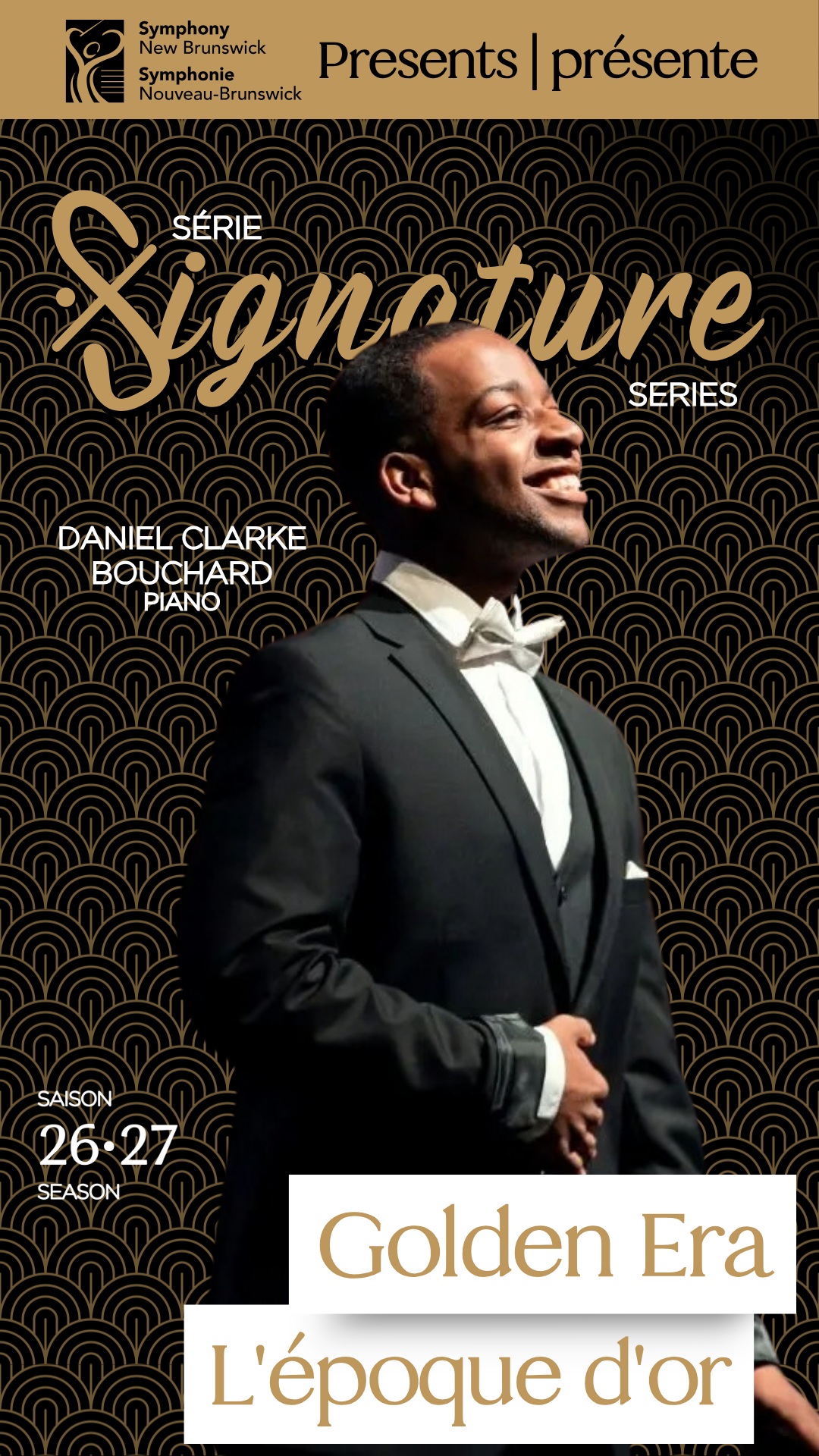
Table of Contents
President’s Remarks
Reid Parker

At our last Signature Series concert, Peter Sametz described a major gift to Symphony NB. It is a 3-year matching grant of $375,000, with $125,000 to be received each year beginning this season. Donors can give to either Symphony New Brunswick or the Symphony New Brunswick Foundation and equal funds will be given to Symphony NB. If the gift is received by the Foundation, it will also be eligible for matching by the federal government.
The donor has requested anonymity, but obviously,
we are very grateful for this benevolence and we want to make the best of it. We encourage everyone who loves Symphony NB to give as much as you can. No gift is too small.
It is equally obvious to us that this is a major event in Symphony NB’s history and it couldn’t have come at a better time. If we fully realize the potential of this generosity, it will enable noteworthy and observable changes in our operations and administration. We are obligated to realize these benefits and must report to the donor on our success.
Everyone should be reminded that the deadline of November 30 for our Foundation’s application to Canadian Heritage for matching funds is fast approaching, so I hope this, along with the tax year-end and the anonymous matching grant will be powerful incentives to give.
Our Foundation has flourished during the past year or so, but, notwithstanding the uncertainties Canada faces, we need to keep momentum in growing this valuable resource.
Tired of talking about financial matters, I will close by wishing you all well and may you enjoy tonight’s concert and the remainder of our inspiring program this season.
Reid Parker, President
Symphony NB
Welcome Message
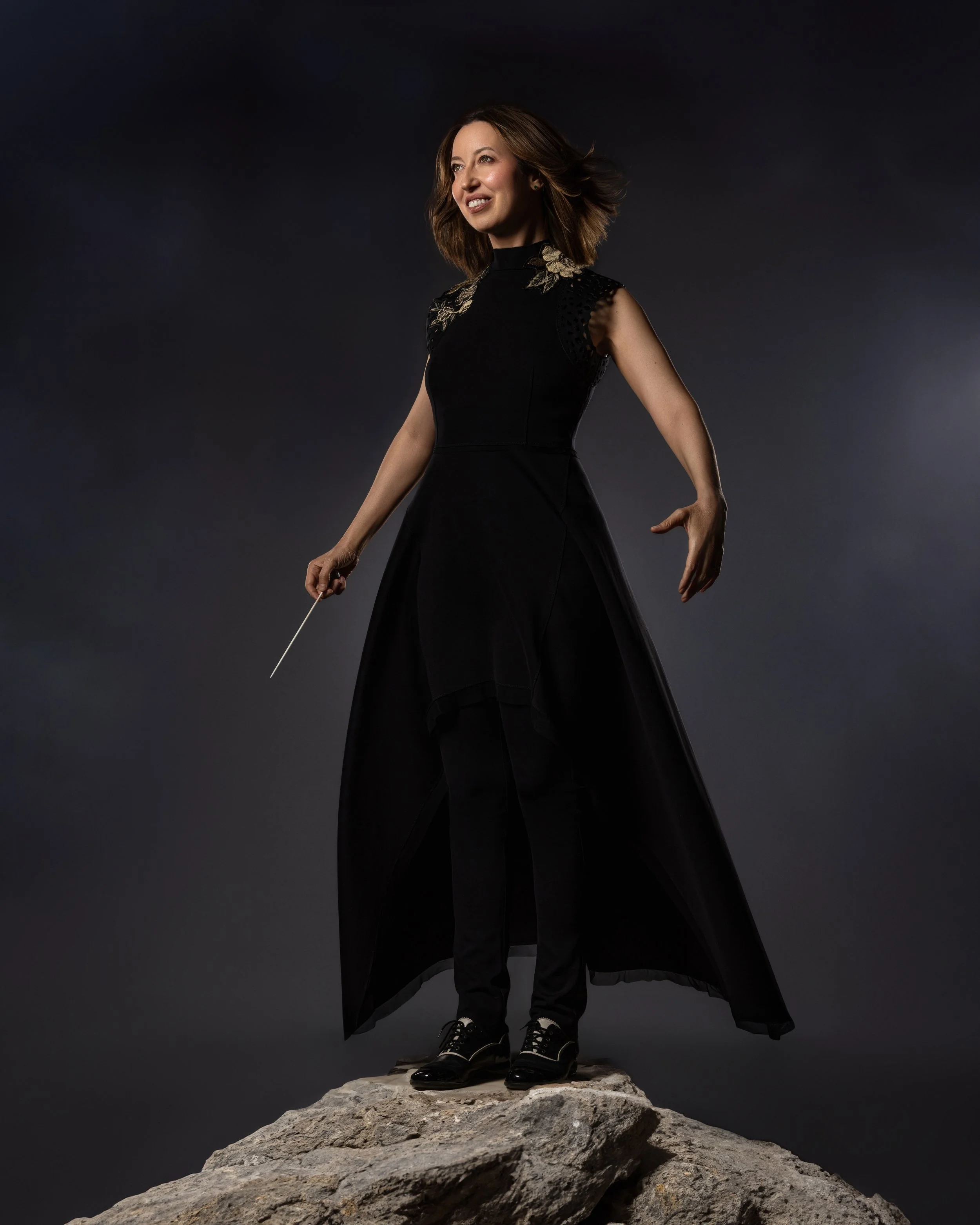
Mélanie Léonard, Music Director
Dear friends,
As always, it is my great pleasure to welcome you to a new season of timeless masterworks and exciting discoveries.
In this season’s Signature Series, Canadian talent, emerging and diverse voices, and New Brunswick come together to offer you a rich and meaningful concert experience. From the grandiosity of the great Romantics to the opulence of the Golden Era; from heartfelt music exploring the different faces of love, to works shaped by defining presence and art‑inspired imagination — and without forgetting Verdi’s epic Requiem — we are bringing you a season rich in emotion and community‑uplifting moments.

Our Virtuoso Series once again showcases exciting repertoire performed by the Saint John String Quartet, Ventus Machina, and Resonance New Music. Virtuosity will be on full display, while intimate concert spaces provide a unique opportunity to experience music up close.
As we navigate challenging times, don’t we owe it to ourselves to pause and embrace a moment of grace? We are deeply grateful for your trust, your support, and your presence. You make these moments not only possible — you make them come alive.
We look forward to welcoming you to the concert hall!
À bientôt,
Mélanie Léonard
Music Director

Biography: Mélanie Léonard
Born in Montreal, Mélanie Léonard is the Music Director of Symphony New Brunswick and Assistant Professor of Instrumental Conducting at McGill University’s Schulich School of Music, where she also conducts the McGill Contemporary Music Ensemble. She previously served as Resident and Associate Conductor of the Calgary Philharmonic Orchestra and as Music Director of the Sudbury Symphony Orchestra.
As a guest conductor, she has worked with many prestigious institutions, including the Montreal Symphony Orchestra, the Toronto Symphony Orchestra, Les Violons du Roy, the Orchestre Métropolitain, the National Arts Centre Orchestra, and the Orquestra Sinfônica Municipal de São Paulo in Brazil.
In 2026, she made her débuts at Festival Classica and the Festival d’Opéra de Québec, conducting the chamber opera L’hiver attend beaucoup de moi by Laurence Jobidon.
Ms. Léonard has conducted orchestras for soundtracks including Aura at Montreal’s Notre-Dame Basilica, Paradise City in South Korea, and Cirque du Soleil’s Land of Fantasy in Hangzhou, China.
Over the course of her career, she has founded three organizations dedicated to contemporary music: Prima Ensemble, the Wild West New Music Ensemble, and the Calgary New Music Festival.
Ms. Léonard was the first woman to complete a doctorate in orchestral conducting at the Université de Montréal. In 2012, she received the Canada Council for the Arts’ Jean‑Marie Beaudet Award for Orchestral Conducting.
Sponsors & Partners

Symphony New Brunswick wishes to thank and acknowledge the following partners:












Support Your Symphony
Donations to SNB directly fund operations. By supporting today you are helping us continue to present top-notch performances and expand our dynamic programs, including those in schools and communities. Thank you for helping more people to experience the beauty and power of live orchestral music!
Guest Artist
Daniel Clarke Bouchard, Piano
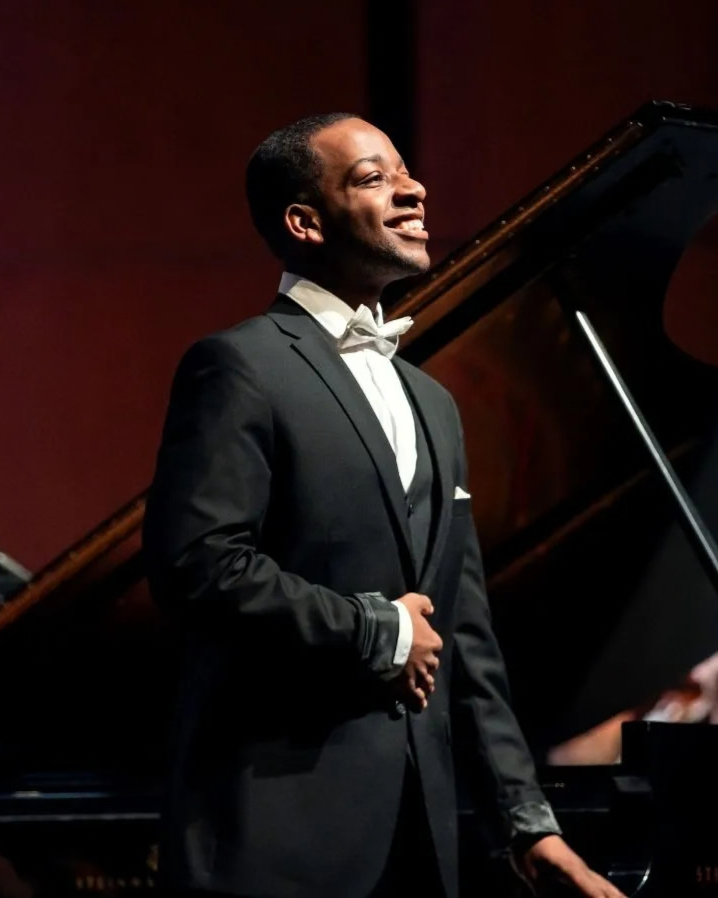
Daniel Clarke Bouchard is a remarkable Canadian pianist whose musical journey began at the tender age of five. By six, he had already given his first public recital, showcasing a virtuosic talent that would continue to flourish throughout his career.
Early in his musical development, Clarke Bouchard's exceptional abilities were recognized with numerous accolades. He received the grand prize at the Joy of Music Festival at McGill University, won gold medals at the Montreal Classical Music Festival in 2009 and the Quebec Music Educators Association Competition in 2010. In 2011, he claimed first place at the Canadian Music Competition, earning prestigious scholarships from Yamaha, Canimex, and Gilles Chatel.
Daniel Clarke Bouchard has graced some of the world's most esteemed venues, including the world-renowned Carnegie Hall.
Throughout his career, Clarke Bouchard has collaborated with numerous orchestras and notable musicians. He has shared the stage with his mentor, the great Oliver Jones, and performed with David Foster, as well as with the legendary American band Earth, Wind and Fire.
His orchestral performances as a soloist include with the Montreal Symphony Orchestra, the National Arts Center Orchestra of Canada, and the Orchestre Métropolitain, to name a few. Daniel has worked with conductors such as Yannick Nézet-Séguin, Alexander Shelley, Mélanie Léonard, Bradley Tkachuk and Dina Gilbert.
In recent years, Daniel Clarke Bouchard's career has continued to soar. In 2023, he gave a sold-out performance with the Kamloops Symphony Orchestra. 2024 saw him perform with both the Saskatoon Symphony Orchestra and the Niagara Symphony Orchestra, further cementing his reputation as one of Canada's premier pianists.
Daniel Clarke Bouchard's talents extend beyond classical performance. He was featured in the TIFF-award-winning documentary "Oscar Peterson: Black and White," paying tribute to one of Canada's jazz legends. His compositional skills were highlighted when his 2017 piece "Free Together" was chosen as the theme song for the Radio-Canada show "Le goût des autres," running from 2018 to 2021.
The pianist's achievements have been recognized with several awards, including the 2014 Félix Award for Classical Album of the Year, the 2014 Montreal International Music Competition's Choquette Symcox Award, and the 2017 SPACQ Foundation's Eval-Manigat Award.
Daniel Clarke Bouchard's media presence has been significant, with appearances on popular television shows such as "The Ellen DeGeneres Show," "Tout le Monde En Parle," and "Canada AM".
As Daniel Clarke Bouchard continues to evolve as an artist, he remains a shining example of Canadian musical talent, bridging the worlds of classical music and contemporary performance with his exceptional skill and passion for the piano.

This Evening’s Program
Symphony New Brunswick
Mélanie Léonard, Music Director
1 ) John Kander (b. 1927)
Selections from “Chicago” (arr. Ricketts)
a. And All That Jazz
b. Cell Block Tango
c. Roxie
d. We Both Reached For The Gun
2 ) George Gershwin (1898 - 1937)
Lullaby for Strings
3 ) Florence Price (1887 - 1953)
Piano Concerto in One Movement
Daniel Clarke Bouchard, piano
4 ) Scott Joplin (1868 - 1917)
Maple Leaf Rag (arr. Sargeant)
5 ) Violet Archer (1913 - 2000)
Poem for Orchestra
6 ) Aram Khachaturian (1903 - 1978)
The Masquerade Suite
I. Waltz
II. Nocturne
III. Mazurka
IV. Romance
V. Galop
Program Notes
Reid Parker
George Gershwin (1898 - 1937)
Lullaby for Strings
George Gershwin wrote this short student piece for piano in 1919 and subsequently transcribed it for string quartet. Although it was played occasionally in private gatherings, it only returned to prominence when Ira Gershwin gave the harmonica player Larry Adler permission to perform it at the Edinburgh Festival in 1967. The string quartet arrangement was published in 1968 concurrently with a string orchestra version by pianist-conductor Jeff Manookian.
Lullaby starts with violin harmonics and then the main melody is stated by the full orchestra. Gershwin later reused this theme in his one-act jazz opera Blue Monday for the song Has One of You Seen My Joe. Lullaby sways leisurely along in a syncopated, slightly bluesy rhythm. About midway through the eight-minute piece, a solo cello states another lovely tune. The main theme is repeated; more harmonics are played and the piece comes to a quiet pizzicato conclusion.
Florence Price (1887 - 1953)
Piano Concerto in One Movement
In March, 2025, New Brunswick audiences were first introduced to the music of African-American composer Florence Price and we continue this season with her Piano Concerto in One Movement composed in 1934. It was first performed that year by Price at the Chicago Music College and subsequently, by the Women’s Symphony Orchestra of Chicago and the prestigious Chicago Symphony. After the Second World War, interest in Price’s music began to wane and almost disappeared after her death in 1953. The score of the Concerto vanished with her.
Price owned a summer cottage near Chicago which an unrelated couple purchased from a Price descendant in 2009. To their surprise, they discovered several boxes of manuscripts which proved to be a treasure trove of the composer’s music. Included was a two-piano arrangement of the Piano Concerto. Price had annotated the second piano part providing indications of the orchestration she intended. Her notes enabled composer Trevor Weston to piece together a performing version of the full score which was premiered in 2011. In 2019, Price’s original full score reappeared and was sold at auction, the music publisher E.C. Schirmer acquiring publication rights. It was published in 2020.
Although the music flows as a continuous piece, there are three distinct sections, much like a traditional concerto. In the first section, the winds provide snippets of the first principal theme which emerges in full after a lengthy cadenza-like passage by the soloist. Both this theme and the second as well as the entire second section exhibit the influence of African-American spirituals. These sections are pure romantic-era music and could be mistaken for music written a half-century earlier. However, the final allegretto is out-of-character with the rest of the piece, a lively Juba-dance, a slave plantation dance brought to South Carolina from the Congo. The rhythmic drum beats in Price’s music remind us that rhythm instruments were forbidden on the plantations for fear the drum-like patterns might relay illicit information.
Scott Joplin (1868 - 1917)
Maple Leaf Rag
Scott Joplin was an African American composer and pianist, widely regarded as the leading figure in the development of ragtime, a style that combines a steady musical pulse with syncopated melodies. His Maple Leaf Rag, published in 1899, has become one of the most successful ragtime compositions. Joplin believed ragtime had a place with other classical forms and he scorned categorizing it as honky-tonk music best performed in brothels and saloons. He was successful in establishing ragtime as a major force in American popular music. Everyone has heard the Rag’s lively rhythms and infectious melodies and it is indeed a classic. Joplin’s influence extended beyond his lifetime, and the ragtime revival of the 1970s brought his music to a new generation of listeners.
Those who suppose the work’s title has some connection with Canada will be disappointed to learn it more probably reflects the name of the Maple Leaf Club in Sedalia, Missouri where Joplin played. Or it may have had something to do with Sedalia’s many maple trees.
Violet Archer (1913 - 2000)
Poem for Orchestra
Violet Archer’s Poem for Orchestra draws inspiration from The Nun, a long poem written in 1938 by British poet Humbert Wolfe (1885-1940). The poem is part of Losers, a section of an even longer collection called Requiem. Throughout Requiem, Wolfe expresses disquiet from time passing, the transformation of the individual facing death, the consequences of worldly withdrawal or the inevitable end of life. In some respects, it is an exploration of lives of those on the margin of normal life experience. In The Nun, we sense the inner conflict of a young woman who has foregone worldly experience and confronts the reality of her sacrifice while sadly accepting the spiritually rewarding pathway she has chosen.
The language is both moving and disturbing, emotions Archer successfully captures in this short, darkly-hued orchestral tone poem.
Archer was born Violet Balestreri in Montreal, the daughter of Italian immigrants. Her teachers included Paul Hindemith and Béla Bartok and she earned degrees from McGill and Yale. Her career was mostly dedicated to teaching, although she completed more than 300 compositions. She was one of three young Canadian female composers who challenged the dominance of their male counterparts in the mid-twentieth century. The others were Barbara Pentland and Jean Coulthard. Ironically, all three died with months of each other in 2000. The superbly orchestrated Poem for Orchestra was written by Archer in 1938, the same year as Wolfe wrote his poem. Although performances of the work are rare, Symphony New Brunswick has performed it once previously, in 2001.
Aram Khachaturian (1903 - 1978)
The Masquerade Suite
Aram Khachaturian, of Armenian birth, immigrated with his family to Moscow in 1920 and there the young composer-to-be received his first formal training in composition. After several years at the Gnessin School of Music, he enrolled in the Moscow Conservatory of Music at which he studied with Nikolai Miaskovsky, the Soviet Union's most prolific composer of symphonies.
Khachaturian completed many large compositions, most notably a major piano concerto and the ballet score, Gayaneh, an adagio from which achieved widespread popularity from its use in the Stanley Kubrick film, 2001, A Space Odyssey. The Masquerade Suite was selected from a larger score written in 1941 as incidental music to a production of an 1835 play of the same name by Mikhail Lermontov.
The play, set in St. Petersburg, is a classic tale of jealousy leading to a terrible outcome. The main character, Arbenin discovers evidence at a masked ball that his wife, Nina, was unfaithful. He poisons Nina who dies while proclaiming her innocence. He later discovers she was a victim of intrigue and was telling the truth. He goes mad with grief. The moral of the play is that jealously, wounded pride and malicious gossip can lead to irrational and destructive consequences. The opening Waltz has become Khachaturian's best-known piece and has been used in many films. It is followed by a Nocturne, Mazurka, Romance and a final Galop. Although the Nocturne and Romance are lovely and peaceful, those hoping for a grand tragic funereal march at the end will be surprised by the exuberant Galop.
It is worth mentioning Nurhan Arman, Symphony NB’s first Music Director, was also of Armenian descent and was acquainted with Khachaturian. Arman performed the composer's Violin Concerto under Khachaturian's direction. The Masquerade Suite was performed at the first Symphony NB concert conducted by Arman in 1987.

Endowed Chairs
Second Chair First Violin
Dr Tom Condon Memorial Chair
Principal Second Violin
Miles and Eunice Kierstead Memorial Chair
Second Chair Second Violin
Li-Hong Xu Memorial Chair
Principal Viola
Dr. Mary Pedersen Endowed Chair
(In honour of New Brunswick's wonderful violists who weave the charm and mellow tones of the viola into the heart of the ensemble, casting a compelling magic that wondrously binds the music together)
Section Viola
Reid & Jaqueline Parker Endowed Chair
Principal Cello
BMO Financial Group Endowed Chair
Second Chair Cello
The Tom & Lisa Gribbons Endowed Chair
Section Cello
The Marion Isabel Pedersen
& Sister Marie Estelle Memorial Chair
Principal Flute
The Margaret and Wallace McCain Family Chair
Principal Oboe
Mary E. Pedersen MD, Prof Corp Endowed Chair
Principal Clarinet
In Honour of Suzanne Farrer Irving
Principal Bassoon
Pannell Family Endowed Chair
Second Trumpet
The Saint Mary’s Band and Bruce
Holder Jr. Memorial Chair
Principal Timpani
Philip W. Oland Memorial Chair
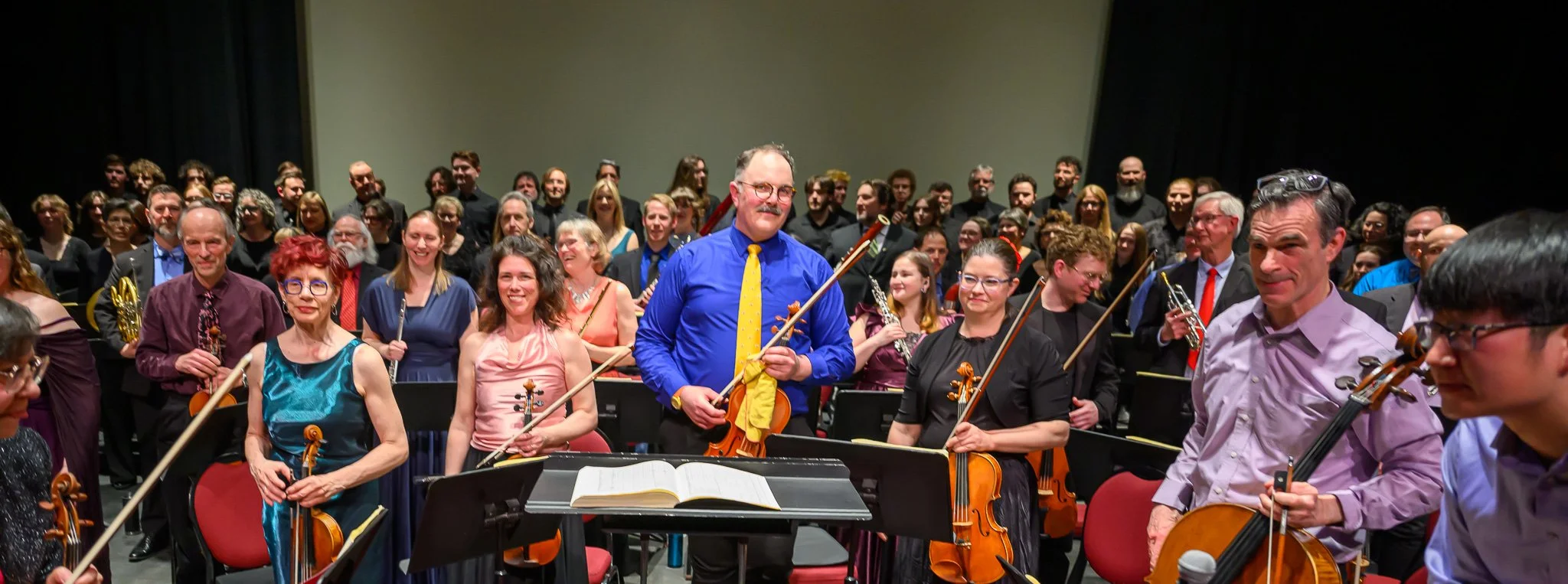
Symphony NB Musicians
*Principal or acting principal, ^Core musician
Violin I
Dani Sametz*^,
Concertmaster
Lucia Rodriguez
Hok Kwan
Dave Adams
Mercedes Salazar
Andres Guzman
Violin II
Nadia Francavilla*^
Sara Liptay
Katherine Moller
Hrvoje Tisler
Aida Tisler
Viola
Stephen Mott*
Eliezer Rangel
Estelle Salmon
Cello
Chris Yoon*^
Ellen Buckley
Sonja Adams
Emily Kennedy
Bass
Andrew Reed Miller*^
Mihai Onete
Flute
Karin Aurell*
Danièle Saika-Jones
Oboe
Carlos Avila*
Daniella Tejada
Clarinet
James Kalyn*
Scott MacDonald
Bassoon
Neil Bishop*
Ismael Vitriago
Horn
Jon Fisher*
Peter Sametz
Alex Murphy
Lessa Thornton
Trumpet
Rob Dutton*
Brian McAuley
Trombone
Aaron Good*
Graham Kidd
Bass Trombone
Kim Shields
Tuba
Pierre de Villers
Harp
Dorothy Brzezicki
Timpani
Joel Cormier*^
Percussion
George Garrett*
Ian Gibson
Owen Melanson
Lifetime Members
David Adams - Concertmaster Emeritus
Sonja Adams - Principal Cello Emerita
Christopher Buckley - Principal Viola Emeritus
Symphony NB Donors
Symphony New Brunswick warmly thanks all of its donors for their generous support in the last 12 months.
-
Léona Arsenault
Christopher J. Buckley
Vince Galbraith
Carm & Joe Gormley
Suzanne Irving
JFN & Alice Jones
Dr. Gregg MacLean
Robert McCausland
Sue McLeese
Susan O’Brien
Gloria Ross
Dean Snow
-
Friend of Symphony NB
Pannell Family Foundation
-
Timothy Blackmore
Jonathan & Haleen Franklin
Duncan MacDonald
Michael & Margaret Wennberg
-
Tony & Margaret Fitzgerald
Margaret & Bill Jones
Ron Lees
Reid & Jacqueline Parker
-
Anonymous
David & Roxie Meek Foundation
William Costin
Kathryn Hamer Edwards
Peter & Alice Hyslop
James D & Lynn Irving
Brian McCain
Susan & Winston Mott
Allen & Carol Rosevear
Kristine Vickmanis
-
Anonymous
Louise Beaulieu
Wladyslaw Cichocki
Daphne Flanagan
Howard & Jane Fritz
Dr. Peter & Sheila Gorman
Martha Louise Harrison
Jennifer Landry
Peter & Susan Sametz
Christine & Richard Sancton
-
Anonymous
Whittaker & Associates
Lise Anderson
Dr. Barry Beckett
Iris E. C. Bliss
Diane Brideau-Laughlin
John Buckley
Anne Marie Creamer
Joan P. Creamer
Phil & Maxine Dadson
Jim & Donna Dysart
M. Eileen Gallagher
Gerald Golschesky
Myrna Gunter
Debbie Landine
Fraser Lockerbie
Barbara MacKay
Greg Mason
Katherine Moller
Susan Montague
Brenda Noble
Inge Pataki
Edna & Charlie Pollock
Cathy Rignanesi
Angela Smith
James & Mary Stokes-Rees
Hazel Webb
Linda Webb
-
Brunswick Brokers
Sussex Choral Society
John Ball
David & Jane Barry
Len Brunka
Mary Buffett
Peter Caddell
David Charters
Karon & James Croll
Peter & Deana Gadd
Richard Gibson
Frances Gormley
Lindsay Hazen
John Higgins
Peggy Hrushka
Jaroslaw Iwanus
E. Shani Jones
Joanne Keith
Bill Kent
Ursula & Tony Lampart
Claire Lepage
Daniel Lessard
Trevor McLain
David Murray
Carolyn & David Nielsen
Ugo Okoye
Jane Paciga
Jeff Patterson
Kathryn Reed-Garnett
Peter Richard
Jennifer & Mike Sauerteig
Linda & Greg Sprague
Germaine Pataki Theriault
Barry Thompson
Sharon Titus
Philomena Williams
-
Anonymous
Michelle Anderson
Dianne Bonner
Angela Campbell
Allen Doyle
Wendy Duschenes
Gail Everett
Susan Fortune
Dana & Phyllis Hanson
Bob Higgins
Francine Holland
Colleen Lang
Cathy Macintosh
Giles Melanson
NBCC St. Andrews
Grace Olds
Debra Pitts
Graeme Roderick
Patricia Scribner
David Seely
John Shea
Jody Sheldrick
Jane Stewart
John Walsh
Bonnie Williams
-
David & Sonja Adams
Symphony NB Foundation
Symphony New Brunswick warmly thanks all of its donors for their generous support in the last 12 months.
Our Mission
The Symphony New Brunswick Foundation is an independent charity that supports Symphony New Brunswick through an endowment that is held in perpetuity. As its largest single annual donor, we give Symphony NB financial sustainability and, through its support, the Foundation enables the Symphony to deliver a more diversified musical program to the residents of New Brunswick. The Foundation’s endowment assets are held and managed by an independent Board of Directors.
-
Bank of Montreal
Isles Foundation, on behalf of Mrs. Suzanne Irving
The McCain Foundation
The Pannell Family Foundation
Jonathan & Haleen Franklin
Tom & Lisa Gribbons
Ronald Lees & Miranda Lees
Donald G. Mitchener FCPA, FCA
Reid & Jacqueline Parker
Dr. Mary Pedersen
-
The MacMurray Foundation
River Philip Foundation
The Estate of Phyllis Sutherland
David & Sonja Adams
Joseph Aicher
Lane & Diane Bishop
Doris Chesley
Lucinda Flemer
Kathy McCain
Frank McKenna
Derek & Jacqueline Oland
John & Lois Thompson
-
Chesley Family Foundation
Maple Leaf Homes
Royal Bank Foundation
David & Jane Barry
Terence & Jane Bird
David & Peggy Case
Wladyslaw Cichocki
The late Marion Elliot
Kathryn Hamer-Edwards
Sadie Lu Harley
Peter Hyslop
John Irving
David Jamieson
Margaret Keddy
Manon Losier
Ian & Carole MacFarquar
Eleanor & Trevor Marshall
Allison & Clare McCain
Geoff Mitchell
Susan Montague
Donne Smith
-
Sylva Hesse Foundation
Langdon Professional Corporation
Ed & Melissa Barrett
William & Jocelyn Barrett
Francis Ervin Estate
Jane M. Fritz
Signe Gurholt
Gregor & Charlotte Hope
David & Judy Marr
Ron Outerbridge
Gregory & Karen Parker
Cathy & Brian Rignanesi
Brian & Anne Wheelock
-
UNI Cooperation Financiers
Joshua Adams
Katherine Asch
Susan Atkinson
Brian & Vicky Baxter
Wayne Bell
Denise & Geoff Britt
Ellen Buckley
John & Adrienne Buckley
Margo Campbell
Anne Marie Creamer
Sally Dibblee
J. Anthony Fitzgerald
Jane M. Fritz
Peter Gadd
Richard Gibson
Gerald Golschesky
David & Donna Goss
Kathryn Hamer-Edwards
David & Jane Hay
Daniel Lessard
Duncan MacDonald
Darren McLeod
Peter Lyman & Judith Moses
Dora Nicinski
David & Carolyn Nielsen
Gerrit van Raalte
Richard & Christine Sancton
Andy Savoy
Catherine Sidney
William & Joan Smith
Greg & Linda Sprague
Ian & Karen Stead
-
Brookfield Infrastructure Partners
Les Religieuses de Notre-Dame du Sacré-Cœur
Lockhart Foundation
Sabian
Sisters of Charity of the Immaculate Conception
Diane Adams
David Addleman
Karin Aurell
David Beaudin
Ron & Janet Buckley
Nicola Carter
Michael Chandra
Richard & Yeonsuk Cho
Marilyn Dalton
Jacques & Bernadette DeGrace
Jocelyn Deichmann
Michele & Tony Flarow
Dwight Fraser
Macgregor Grant
Carolyn Irving
Suzanne Irving
Mary Ann Kneeland
Tyler Langdon
Jeanette Landry
Jennifer Landry
Paul Leger
Lise Legér-Anderson
Penny & Stephen McCain
Gunter Metz
Wendy Nielsen
Jim O’Sullivan
Margaret Roy
Barbara Smith
John Tidswell
-
E. Gary Atkinson
Walter Ball
Christopher Buckley
Pauline Cormier
James G. Crooks
Edna Dibblee-Wellner
Peter Edwards
Ruth Frank
“Rory” Grant
Bernadette Hedar
Douglass Hughes
Suzanne Irving
Barbara Jean
Ian MacFarquhar
Donald Marshall
Gloria Melanson
David Nicholson
Nickolaj Holm & Marion
Isabelle (Murchison) Pedersen
Ann Marie Robertson
Tiina Hele Runkla
John Huggard Sherwood
Terrence Stewart
Joseph Francis Wagner
Erik T. P. Wennberg
Evelyn Williston
Sandra Wright
Li-Hong Xu
Leadership
Honourary Patron
The Honourable Louise Imbeault
33rd Lieutenant Governor of New Brunswick
Board of Directors, Symphony New Brunswick
Reid Parker, President & Board Chair
Cathy Rignanesi, Treasurer
Sandrine Siewe, Secretary
Edmund Dawe
Kathryn Hamer
Rick Hancox
Peter Hyslop
Lise Léger-Anderson
Gilles Melanson
Germaine Pataki-Thériault
Kara Stonehouse
Michael D. Wennberg
Board of Directors, Symphony New Brunswick Foundation
Reid Parker, President & Board Chair
Susan Dewar, Treasurer
Jennifer Adam, Secretary
John Fitzpatrick
Robert Inglis
Ron Outerbridge
Administration
Mélanie Léonard, Music Director
Peter Sametz, Director of Operations & Administration
Adam Masson, Manager of Marketing & Community Relations
Joël Cormier, Manager of Personnel & Production
Stephen Sametz, Stage Manager
Jon Fisher, Librarian
Volunteer Support
Rick Sancton, Donations
Linda Sprague, Friends of the Symphony (Fredericton)
Up Next
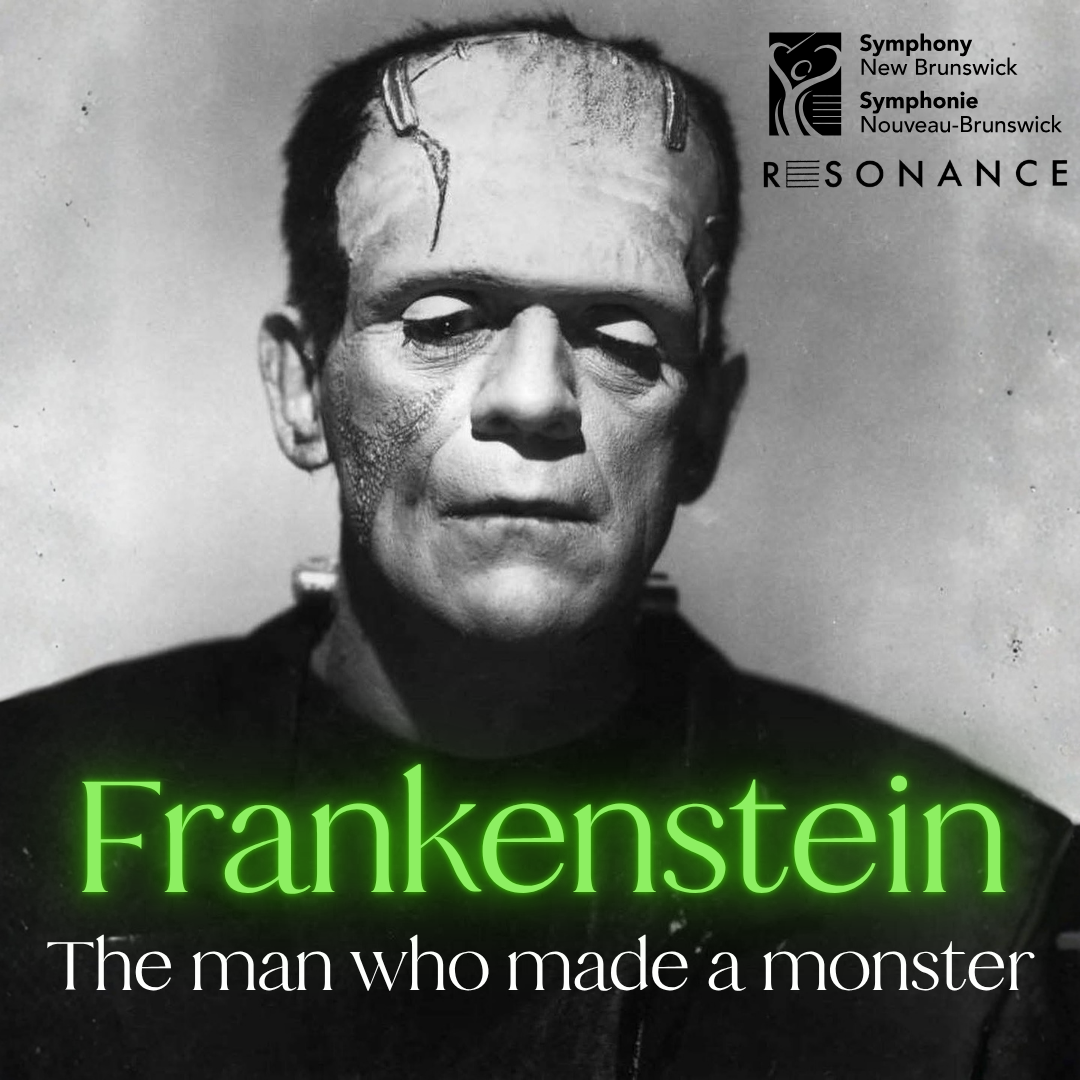
Dennis Knibb Auditorium
Saint John High School
Duke St. Entrance
Saint John, NB
October 23 @ 7:30pm
The Playhouse
686 Queen St.
Fredericton, NB
October 24 @ 7:30pm
Capitol Theatre
811 Main St.
Moncton, NB
November 1 @ 2:00pm
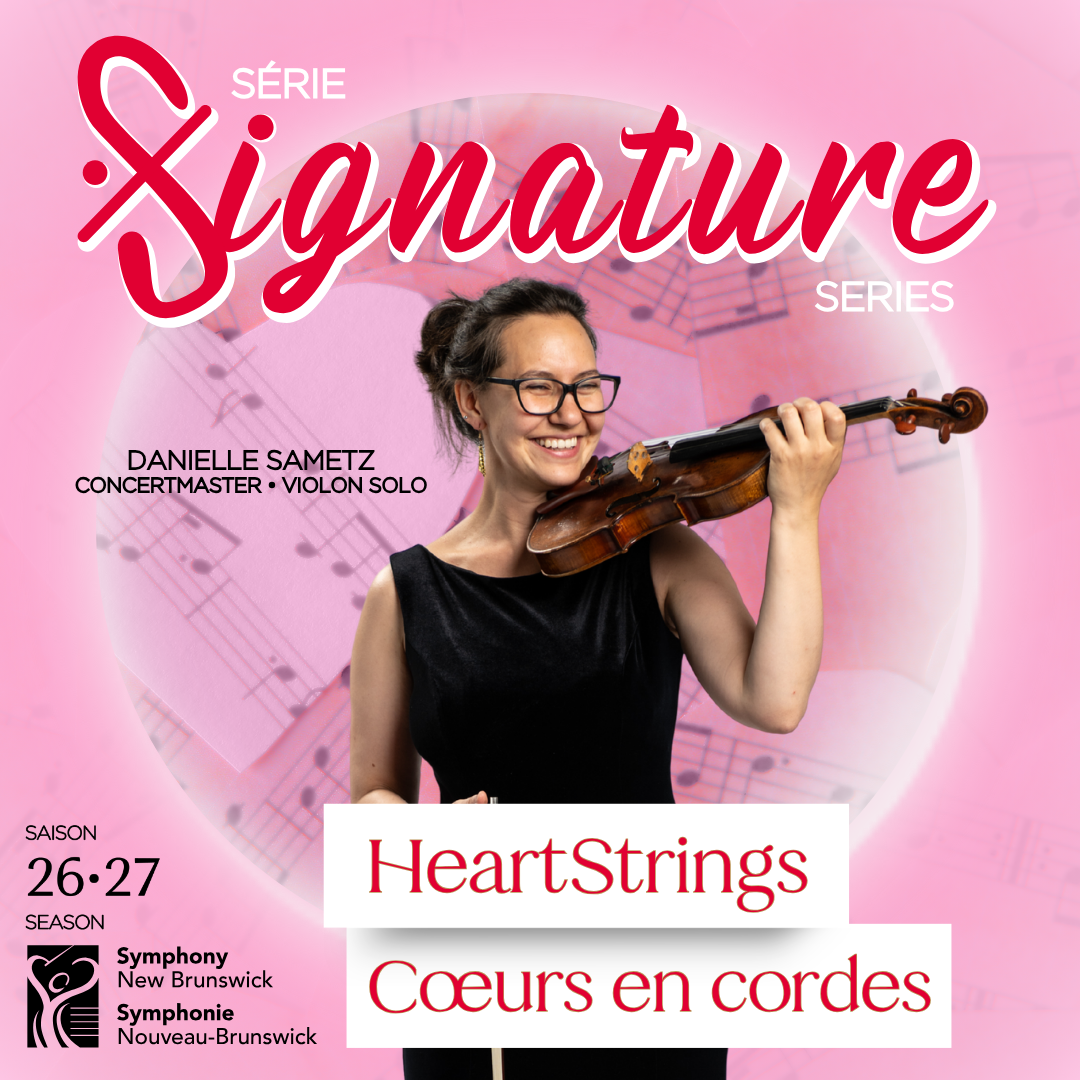
Imperial Theatre
12 King Sq. S
Saint John, NB
November 9 @ 7:30pm
The Playhouse
686 Queen St.
Fredericton, NB
November 10 @ 7:30pm
Capitol Theatre
811 Main St.
Moncton, NB